Auditing is a critical function in accounting that ensures financial integrity, regulatory compliance, and organizational transparency. Chartered Accountants (CAs) play a central role in this process—reviewing financial statements, conducting statutory audits, validating internal controls, and ensuring that organizations comply with standards such as IFRS, GAAP, and local tax regulations.
Traditionally, these tasks required significant manual effort, making auditing time-consuming, error-prone, and difficult to scale. But with Agentic AI, the auditing landscape is undergoing a major transformation.
AI agents automate data ingestion, anomaly detection, compliance checks, risk scoring, and audit documentation—empowering Chartered Accountants to focus on strategic insights, fraud detection, and enhanced audit readiness.
By leveraging ElixirData's intelligent agent ecosystem—including Data Discovery Agents for identifying audit-critical information, Data Quality Agents for ensuring data accuracy, Data Observability Agents for real-time monitoring, Data Governance Agents for compliance management, and Context Fabric Agents for strategic intelligence—organizations can maintain continuous compliance and strategic audit positioning.
This blog explores how AI agents are redefining auditing and compliance, elevating accuracy, speed, and reliability across financial ecosystems.
What are Chartered Accountants in Auditing and Compliance?
Chartered Accountants specializing in auditing and compliance ensure that an organization’s financial statements are accurate, reliable, and aligned with regulatory frameworks. Their responsibilities include:
-
Conducting statutory and internal audits
-
Ensuring compliance with IFRS, GAAP, tax laws, and industry regulations
-
Assessing internal controls and governance frameworks
-
Identifying financial risks and recommending mitigation strategies
-
Enhancing stakeholder confidence through transparent reporting
-
Supporting ongoing audit readiness
Their independent opinion helps organizations avoid penalties, mitigate risks, and maintain trust with regulators, investors, and customers.
The Role of Chartered Accountants in Modern Compliance
CAs act as both auditors and compliance strategists. They validate financial records, assess risk exposure, and ensure organizations meet statutory obligations.
With growing regulatory complexity, CAs increasingly rely on AI-powered tools to:
-
Analyze large financial datasets in real time
-
Detect anomalies or suspicious patterns
-
Automate key compliance workflows
-
Reduce manual workload and human error
-
Maintain continuous audit readiness
Data Observability Agents continuously scan financial systems for irregularities and compliance deviations, while Data Governance Agents automatically adapt compliance frameworks to evolving regulatory landscapes. AI agents allow CAs to spend more time on strategic decision-making and less on repetitive, labor-intensive tasks, transforming auditing from a periodic event into a continuous strategic capability.
Traditional vs AI-Agent Auditing and Compliance
|
Aspect |
Traditional Approach |
AI-Agent Based Approach |
|
Processing Speed |
Days to weeks for large datasets |
Minutes to hours for any dataset size |
|
Error Detection |
Sample-based testing |
Comprehensive analysis of all transactions |
|
Cost Efficiency |
High labour costs |
Lower operational costs after the initial investment |
|
Scalability |
Limited by human resources |
Highly scalable across operations |
|
Risk Assessment |
Based on historical patterns and experience |
Real-time risk evaluation using advanced algorithms |
|
Documentation |
Manual documentation and filing |
Automated documentation with digital audit trails |
|
Compliance Updates |
Periodic manual updates |
Real-time regulatory requirement integration |
Akira AI: Multi-Agent in Action
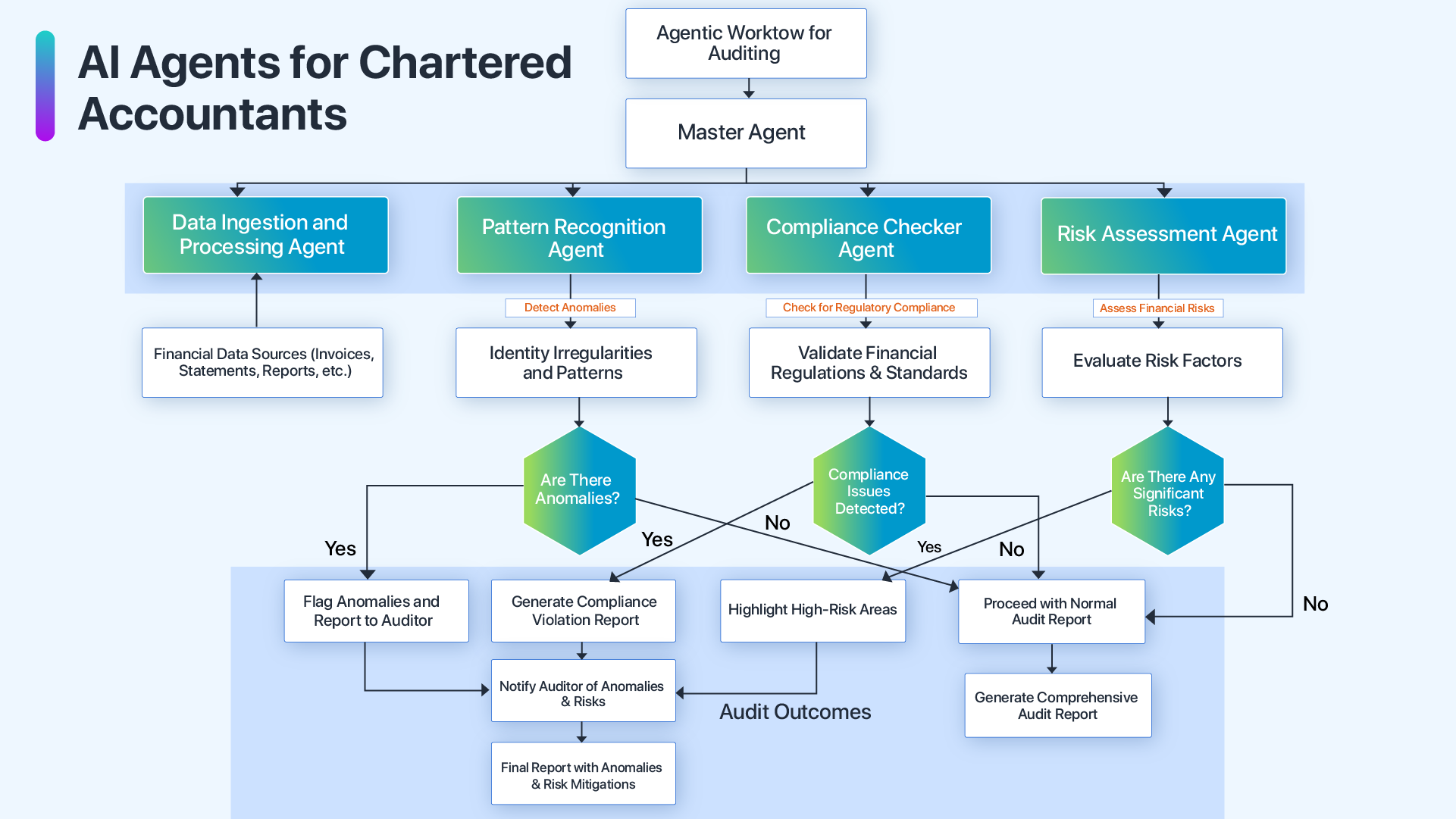 Fig1: Architecture Diagram of Chartered Accountants
-
Data Collection and Ingestion: The process begins with the Data Ingestion and Processing Agent, which collects raw financial data from various sources like invoices, statements, and reports. This foundational step ensures that the necessary data is gathered efficiently for further analysis.
-
Anomaly Detection: The Pattern Recognition Agent analyzes the data to detect any anomalies or irregular patterns that could indicate potential errors, fraud, or compliance issues. This step is crucial for identifying risks that might otherwise go unnoticed.
-
Compliance Validation: The Compliance Checker Agent cross-references the data against relevant regulations to ensure that all financial records meet compliance standards. It flags any discrepancies, helping auditors focus on areas that need attention.
-
Risk Evaluation: The Risk Assessment Agent evaluates the flagged anomalies to assess the potential risks associated with the issues. This agent highlights critical areas for auditors to investigate, guiding them in prioritizing actions.
-
Audit Reporting: The final stage involves a tailored audit report based on the identified risks and compliance issues. This report serves as the basis for decision-making and necessary corrective actions, ensuring the audit is comprehensive and aligned with regulatory requirements.
Use-cases and Applications of Chartered Accountants
-
Automated Transaction Analysis: By automating the analysis of financial transactions, repetitive tasks are streamlined. Real-time monitoring detects patterns and anomalies as they happen, reducing the potential for financial risks. Additionally, transaction reconciliation across multiple accounts is automated, decreasing manual effort and improving accuracy.
-
Risk Assessment: Historical data is evaluated using predictive analytics to forecast potential risks. These insights help organizations identify weaknesses in their internal controls and proactively implement mitigation strategies, improving risk management.
-
Regulatory Compliance: Automating the compliance-checking process addresses the challenge of keeping up with evolving regulations. Any discrepancies are flagged by cross-referencing organizational data with current regulations, ensuring adherence to the latest standards. Compliance reports are automatically generated, reducing the time spent on audits and regulatory submissions.
-
Fraud Detection: Patterns and network analysis help identify and prevent fraudulent activities. Unusual transaction patterns are flagged in real-time, and related party transactions are mapped to uncover hidden relationships and potential collusion.
-
Document Processing: Automating document handling extracts relevant data from unstructured documents such as invoices and contracts. The data is validated through automated checks, ensuring secure storage and easy retrieval for audits and compliance reviews.
Operational Benefits of Chartered Accountant
-
Accuracy and Reliability in Financial Reporting: Chartered accountants ensure that all financial statements and reports are accurate and adhere to relevant standards and regulations. This reduces the risk of errors, which could lead to costly mistakes or even legal issues.
-
Regulatory Compliance: They help businesses navigate complex regulatory landscapes, ensuring the organization stays compliant with changing tax laws and industry regulations. This prevents penalties, fines, and reputational damage.
-
Risk Management: Chartered accountants identify financial risks, assess their potential impact, and implement mitigation strategies. Their expertise in financial analysis and forecasting aids businesses in making informed decisions to protect and grow their assets.
-
Operational Efficiency: By automating routine financial tasks such as tax filings, audits, and reconciliations, chartered accountants save valuable time and resources. Their use of technology enhances operational efficiency, allowing businesses to focus on growth and innovation.
-
Strategic Decision-Making: Chartered accountants provide insightful financial advice, helping organizations make data-driven decisions. Their expertise is crucial in budgeting, forecasting, and financial planning, contributing to overall business strategy.
Technology Transforming used for Chartered Accountants
-
Machine Learning Systems: Machine learning automates the analysis of financial data, identifying trends and risks. Predictive analytics forecast potential issues based on historical data. Pattern recognition algorithms detect discrepancies or anomalies in transactions, while anomaly detection flags unusual activities in real-time.
-
Natural Language Processing (NLP): NLP processes unstructured data like invoices and contracts, automating insights extraction. It simplifies contract analysis by identifying key clauses and compliance requirements. Automated report generation ensures quick access to audit and compliance information.
-
Robotic Process Automation (RPA): RPA automates repetitive tasks, improving efficiency. It manages end-to-end workflows, verifies data, and distributes reports automatically, reducing human error and ensuring timely communication.
-
Cognitive Computing: Cognitive computing mimics human thought processes for complex problem-solving and decision support. These tools help manage financial data and support informed audits and compliance assessments.
-
Blockchain Integration: Blockchain ensures transparency and security through immutable audit trails. Smart contracts automate contract execution and compliance verification, streamlining audits and ensuring regulatory adherence.
Future Trends of Chartered Accountants in Auditing and Compliance
-
Advanced AI Integration: AI-powered algorithms will automate routine audit tasks such as data analysis, transaction testing, and anomaly detection. Neural networks will identify complex patterns in financial data, enhancing the accuracy and depth of audit insights while allowing Accountants to focus on strategic problem-solving and advisory roles.
-
Real-time Processing Capabilities: Audits and compliance checks will become instantaneous, with real-time financial tracking and instant anomaly alerts. AI-enabled platforms will ensure continuous auditing, offer real-time insights, and enable proactive compliance measures.
-
Blockchain Implementation: Blockchain will revolutionize financial auditing by creating immutable, transparent records of transactions. Smart contracts will automate compliance processes, while real-time ledger updates will simplify reconciliations and improve trust in financial statements.
-
Cross-platform Integration: This system integrates with accounting software, regulatory platforms, and client systems. This interconnected ecosystem will provide real-time data sharing, enhance collaboration, and improve the accuracy of financial reporting and compliance.
-
Regulatory Compliance Automation: AI tools will ensure organizations stay ahead of evolving regulations by automatically updating policies and frameworks. Compliance audits will be streamlined with auto-generated reports and real-time alerts for policy deviations.
-
Client Engagement Systems: Chartered Accountants will leverage AI-driven platforms to provide personalized client services. Interactive dashboards and mobile apps will enable clients to track audit progress, receive compliance updates, and access customized financial insights, enhancing transparency and trust.
Conclusion: AI Agents for Chartered Accountants
In conclusion, AI agents are transforming how Chartered Accountants approach auditing and compliance. AI enables auditors to focus on high-value activities like strategic decision-making and risk management by automating repetitive tasks, enhancing accuracy, and streamlining processes. From data analysis and anomaly detection to ensuring regulatory compliance, AI agents help businesses improve operational efficiency and reduce the risk of errors or fraud. As AI continues to evolve, its integration into the auditing space promises even greater accuracy, speed, and reliability advancements, ultimately reshaping the future of financial auditing and compliance.
Frequently Asked Questions (FAQs)
Frequently Asked Questions (FAQs) exploring how AI agents are transforming auditing practices for Chartered Accountants by automating compliance.
How do AI agents help Chartered Accountants with auditing and compliance?
AI agents automate data collection, anomaly detection, and compliance checks, letting accountants focus on higher-level analysis and decision-making.
What types of audit tasks can AI agents automate?
Tasks like risk assessment, document classification, fraud detection, regulatory compliance validation, and audit report generation.
How does AI improve audit accuracy and efficiency?
By analyzing entire datasets (not just samples) quickly, spotting discrepancies in real time, and generating automated audit trails and reports.
Can AI agents reduce audit costs and time?
Yes. They shorten audit cycles from weeks to hours and reduce manual labor, lowering operational costs post-deployment.
What safeguards should be in place when using AI in auditing?
Defined permissions, human oversight, and quality checks are essential to ensure AI outputs are trustworthy and compliant with audit standards.